- Your cart is empty
- Continue Shopping

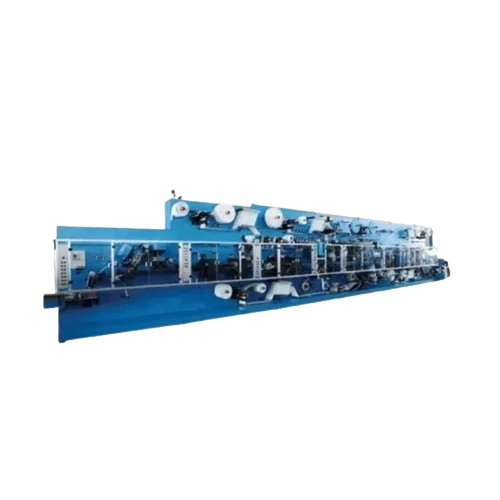
Sanitary Napkin Making Machine
Revolutionizing Menstrual Hygiene: How Sanitary Pad Machines Are Changing Lives
-
By admin
- Posted on
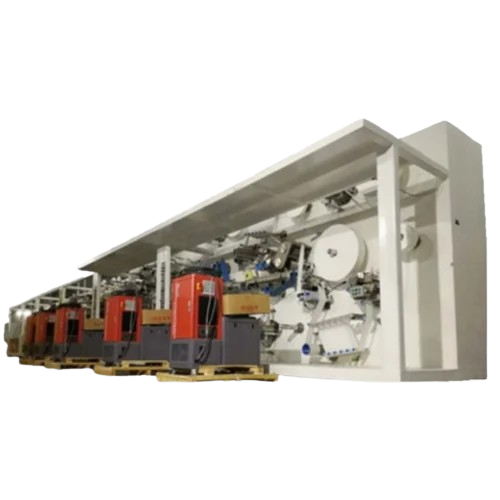
In many parts of the world, menstrual hygiene is still a neglected topic. Millions of women and girls face challenges every month due to a lack of access to affordable and hygienic menstrual products. While the conversation around periods has become more open in recent years, the real game-changer is happening on the ground—thanks to sanitary pad-making machines. These innovative machines are not just pieces of equipment—they are powerful tools that are transforming lives, especially in rural and underprivileged areas. From improving menstrual health to empowering women economically, sanitary pad machines are bringing a silent revolution. The Problem: Lack of Access and Awareness For many girls, getting their period means missing school, staying isolated at home, or using unsafe alternatives like cloth, ash, or newspaper. The root causes? Lack of awareness, taboos around menstruation, and most importantly, unaffordable sanitary pads. Commercial pads are often too expensive for low-income households. And in many remote areas, they aren't even available. This lack of access affects not only health and hygiene but also dignity and opportunity. The Solution: Sanitary Pad-Making Machines Sanitary pad machines provide a practical and sustainable solution. These machines can manufacture pads locally using affordable raw materials like non-woven fabric, absorbent pulp, and PE film. Some machines are manual or semi-automatic and are ideal for community-based production. By placing these machines in schools, women’s self-help groups, or community centers, pads can be made and distributed at a much lower cost. More importantly, it breaks the cycle of dependency on big brands and brings ownership into local hands. Empowering Women One of the most inspiring outcomes of these machines is women’s empowerment. Women are trained to operate the machines, manage production, and sell the pads under their own brands. It opens the door to financial independence and boosts confidence. For example, in parts of India and Africa, initiatives have helped thousands of women set up small-scale sanitary pad units. They not only provide pads to their communities but also educate others about menstrual hygiene. Sustainable and Scalable Sanitary pad machines are also environmentally conscious. Many manufacturers now offer machines that produce biodegradable pads using natural materials like banana fiber, bamboo pulp, or water hyacinth. This helps address the growing issue of menstrual waste. Moreover, the business model is scalable. A unit that starts with 5–10 women can eventually supply pads to nearby villages, schools, hospitals, or NGOs. Final Thoughts Access to menstrual hygiene is not a luxury—it’s a basic right. Sanitary pad-making machines are helping ensure that no girl misses school or suffers silently due to something as natural as her period. They are not just creating pads—they’re creating change, one community at a time. If you’re an NGO, entrepreneur, or policymaker, consider how you can support or start a sanitary pad machine initiative. Together, we can build a world where every woman and girl has access to safe, affordable menstrual products—with pride and without shame.
